NEARSHORING IS RESHAPING U.S. IMPORT FREIGHT — WHAT THE MEXICO-TO-U.S. CORRIDOR MEANS FOR IMPORTERS IN 2026
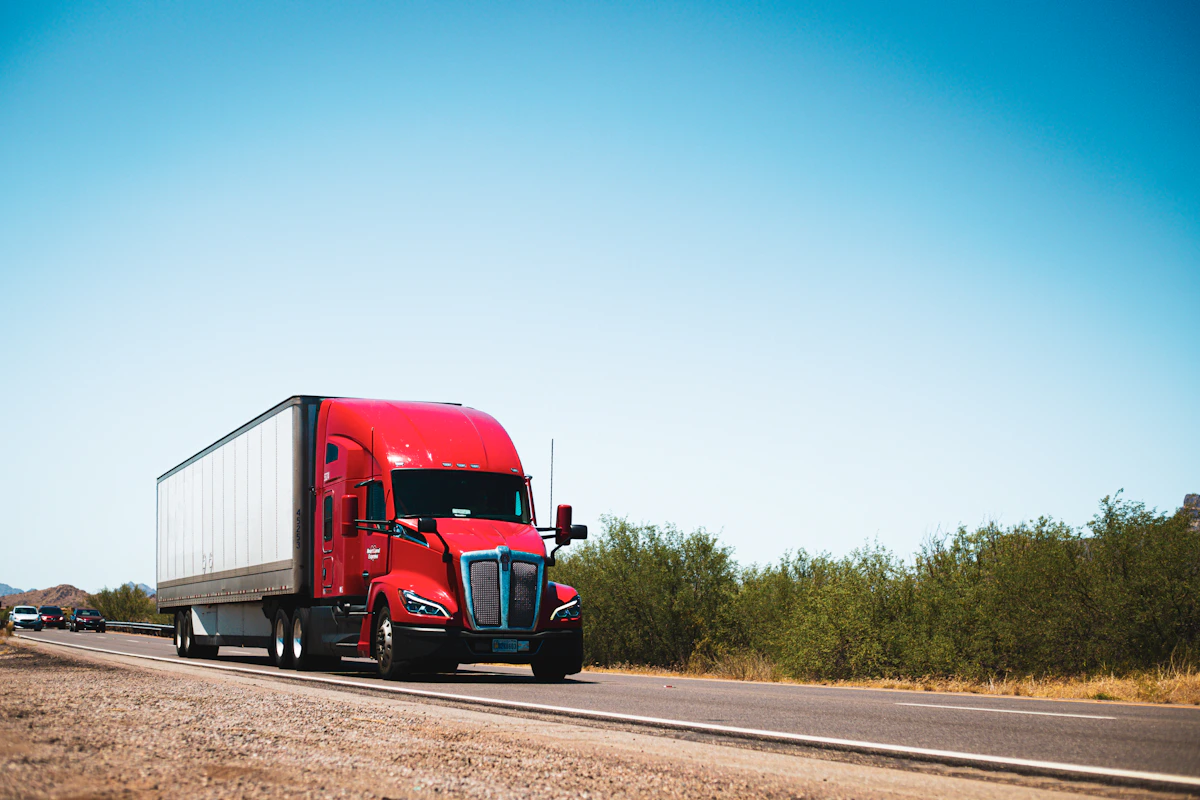
Mexican exports to the United States are up roughly 15% year-over-year. That number is not a forecast — it is current throughput, driven by sustained manufacturing activity and supply chain adjustments that accelerated after the IEEPA tariff shock and the Supreme Court ruling that followed.
For importers who have spent the last two years absorbing tariff volatility on transpacific lanes, the Mexico-to-U.S. freight corridor is no longer a hypothetical alternative. It is an active, growing trade lane with real infrastructure, real cost advantages, and a tariff profile that looks increasingly favorable compared to Asia-origin sourcing.
This guide covers what is driving the shift, how the freight economics compare, and what importers need to know about cross-border logistics if nearshoring is on the table for their supply chain.
Why Nearshoring Volume Is Accelerating in 2026
Three forces are converging to push import freight toward Mexico:
Tariff arbitrage. USMCA-qualifying goods from Mexico are exempt from the 10% Section 122 tariff that applies to virtually all other imports. They are also exempt from Section 232 tariffs on auto parts. For importers paying 10–35% combined tariff exposure on Asia-sourced goods, a USMCA-qualifying Mexico alternative eliminates the largest variable cost component in their landed cost calculation.
Supply chain speed. Ocean transit from Shenzhen to Los Angeles takes 14–18 days under normal conditions — longer with Cape of Good Hope rerouting from Hormuz disruption. Cross-border trucking from Monterrey or Guadalajara to Houston, Dallas, or San Antonio takes 1–3 days. The inventory carrying cost difference alone changes the math for products with seasonal demand or short shelf lives.
Section 301 uncertainty. The USTR launched Section 301 investigations on 16 countries in March 2026, targeting completion around July 24. If Section 301 rates match or exceed the current Section 122 rate, every Asia-sourced product faces a permanent tariff with no expiration. Mexico-origin goods under USMCA face none of it.
Manufacturing capacity in Mexico is expanding to meet this demand. Automotive, electronics assembly, consumer goods, and industrial components are all seeing increased production capacity in the Bajío region (Querétaro, Guanajuato, San Luis Potosí) and along the northern border corridor (Monterrey, Ciudad Juárez, Tijuana).
The Freight Economics: Mexico vs. Transpacific
The cost comparison between a transpacific ocean + drayage move and a cross-border truck move from Mexico is not as simple as origin-to-destination rate. The full landed cost includes tariff exposure, transit time, inventory carrying cost, and supply chain risk.
Tariff exposure comparison (per $50,000 shipment):
- Asia-origin (non-exempt): $5,000 Section 122 (10%) + potential Section 301 escalation = $5,000–$17,500 in duty
- Mexico-origin (USMCA-qualifying): $0 Section 122, $0 Section 232 = $0 additional tariff duty
That $5,000+ difference per shipment changes the freight decision before you even compare carrier rates.
Transit time comparison:
- Shanghai to Los Angeles (ocean + drayage to warehouse): 18–25 days (longer with Hormuz rerouting)
- Monterrey to Houston (cross-border FTL): 1–2 days
- Monterrey to Dallas: 1–2 days
- Guadalajara to Laredo to San Antonio: 2–3 days
Drayage and last-mile:
Transpacific moves require ocean booking, port drayage at origin (if not CY), port drayage at U.S. destination, potential chassis fees, per diem risk, and inland transport. Cross-border moves from Mexico require a single FTL or LTL booking from the Mexican manufacturing facility through customs at the border crossing and directly to the U.S. distribution center. Fewer handoffs. Fewer accessorial charges. Fewer points of failure.
Cross-Border Freight: What Importers Need to Know
Moving freight from Mexico into the United States involves specific logistics considerations that differ from ocean import supply chains:
Border crossings and capacity
The major commercial crossings — Laredo, El Paso, Nogales, Otay Mesa (San Diego), and Pharr — handle different volumes and have different wait times. Laredo is the highest-volume commercial crossing in North America and the primary gateway for automotive and industrial freight. El Paso handles significant maquiladora traffic. Nogales serves produce and agricultural imports from western Mexico.
Crossing wait times vary by day and by port of entry. A freight broker with cross-border experience coordinates carrier selection with crossing-specific timing to avoid multi-hour delays that compound into missed delivery windows.
Customs and USMCA certification
USMCA tariff exemption requires proper certification of origin. This is not automatic — the importer or producer must certify that the goods meet USMCA rules of origin, including regional value content thresholds. Goods that do not meet USMCA qualification are subject to MFN tariff rates plus any applicable Section 122 or Section 301 duties.
Getting this wrong is expensive. An improperly certified shipment pays full tariff plus potential penalties. Coordinate with your customs broker to ensure every cross-border shipment has a valid USMCA certification before it reaches the border.
Carrier requirements
Cross-border trucking requires carriers with operating authority on both sides of the border. Many U.S. carriers do not have Mexican operating authority and vice versa. The standard model is a drayage transfer at the border — a Mexican carrier delivers to a border facility, the load transfers to a U.S. carrier for the northbound leg.
A non-asset freight broker coordinates both legs and the border transfer as a single move. This eliminates the coordination gap that causes delays at the crossing and missed delivery appointments on the U.S. side.
Intermodal from border gateways
For importers distributing from the border to inland U.S. destinations over 500 miles — Chicago, Memphis, Atlanta — intermodal from Laredo or El Paso is a viable option. UP and BNSF both serve Laredo with intermodal service. At current rate spreads ($1.39/mile intermodal vs. $2.80/mile truckload), the savings on a Laredo-to-Chicago move can exceed $1,500 per container.
Who Should Be Evaluating Nearshoring Right Now
Not every importer can shift sourcing to Mexico overnight. But the importers who should be actively modeling the option include:
- Auto parts importers facing 25% Section 232 tariffs on non-USMCA parts — Mexico-origin components under USMCA pay zero
- Consumer electronics assemblers with contract manufacturers in Guadalajara or Monterrey — cross-border FTL replaces 3-week ocean transit
- Furniture and building materials importers paying 10% Section 122 on Vietnam or China goods — Mexico alternatives eliminate that cost
- Any importer with Section 301 exposure on products from the 16 investigated countries — USMCA provides a permanent tariff shield that Section 122 does not
The analysis is straightforward: compare your current landed cost (product + ocean freight + drayage + tariff + inventory carrying cost) against a Mexico-origin alternative (product + cross-border FTL + zero tariff). If the gap is material, the freight coordination is the easy part.
How Alliance Freight Solutions Coordinates Cross-Border Freight
Alliance Freight Solutions is a licensed non-asset freight broker (MC-1607949, DOT-4177688) coordinating freight for U.S. importers across ocean, drayage, intermodal, and cross-border lanes.
For importers exploring nearshoring, we coordinate:
- Cross-border FTL from Mexican manufacturing facilities through Laredo, El Paso, Nogales, and Otay Mesa
- Border transfer coordination between Mexican and U.S. carriers
- Intermodal from border gateways to inland distribution centers
- Port drayage at Houston, LA/Long Beach, and other gateways for importers running dual-source strategies (Mexico + Asia)
The tariff environment is making the nearshoring decision for a lot of importers right now. The freight logistics should not be the thing that slows it down.
Request a cross-border freight assessment →
Published by Alliance Freight Solutions | April 7, 2026
Sources: Logistics Management — 2026 Rate Outlook, WSI — Transportation Shifts Reshaping Freight Market 2026, Ryder — 2026 Freight Market Trends, BTS Freight Indicators