FREIGHT FRAUD AND CARGO THEFT ARE SURGING — HOW A CONTAINER FREIGHT BROKER PROTECTS YOUR SHIPMENTS
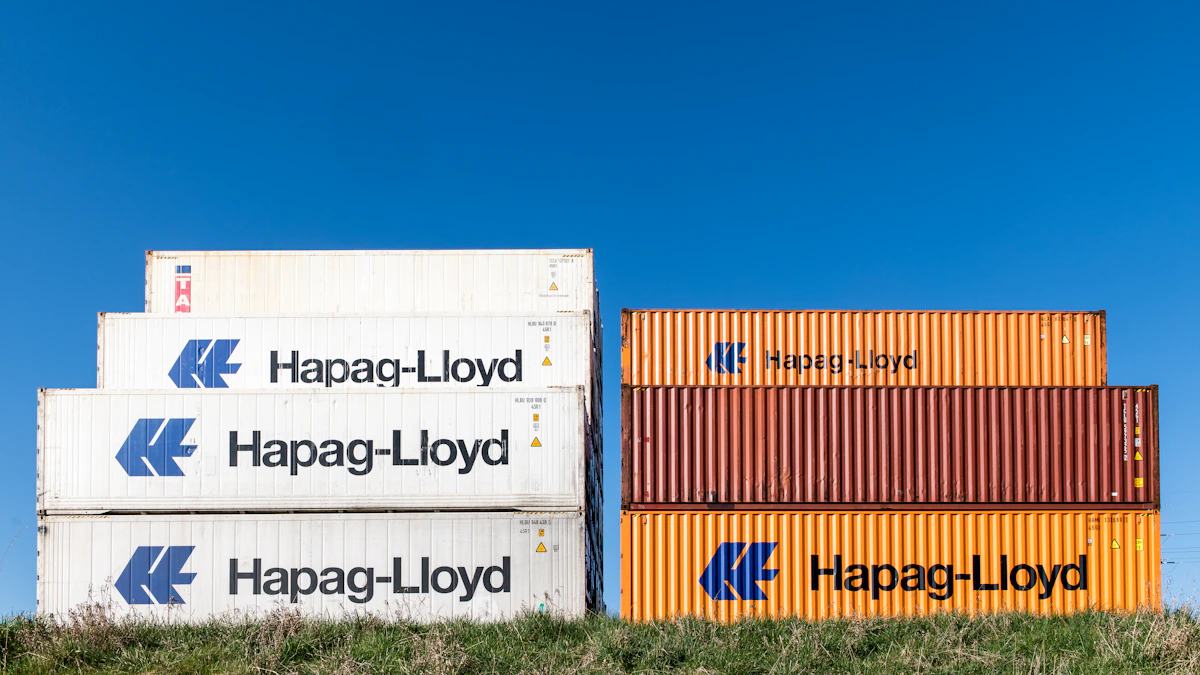
Estimated cargo theft losses surged 60% in 2025, reaching nearly $725 million. The second quarter of 2025 marked the highest quarterly fraud rate ever recorded, with attempts jumping 75% above the historical average. The freight fraud database now tracks over 93,000 entities — fake carriers, shell companies, and stolen identities operating across U.S. freight networks.
This is not a fringe problem. It is a structural threat to every importer moving containerized freight through U.S. ports. And the importers who get hit hardest are the ones whose brokers treat carrier selection as a commodity rather than a security function.
This guide explains how freight fraud works in 2026, why container freight is a primary target, and what a container freight broker should be doing to protect your shipments.
How Freight Fraud Works in 2026
The nature of cargo theft has changed. Traditional theft — someone breaking into a trailer at a truck stop — still happens. But the fastest-growing category is strategic theft: organized operations built on deception that exploit supply chain trust to gain access to freight under false pretenses.
Double brokering is the most common scheme. A contracted carrier accepts your load through a legitimate platform, then secretly reassigns it to an unauthorized third party. That third party may lack insurance, operating authority, or any accountability. Your freight moves — sometimes — but without the safety net you paid for. If it disappears, the carrier you contracted has no liability because they never touched it.
Carrier identity theft is more sophisticated. Fraudsters replicate a legitimate carrier's credentials — MC number, insurance certificate, DOT authority — and bid on loads using the stolen identity. Everything looks valid on paper. The FMCSA authority checks out. The insurance certificate has the right numbers. But the truck that shows up is not the carrier you think it is. By the time anyone realizes what happened, the freight is gone.
Fake carrier creation is the newest evolution. Organized groups register new MC numbers, obtain minimal insurance, build a basic web presence, and begin bidding on loads through mainstream freight platforms. They operate just long enough to steal a handful of high-value loads, then shut down and repeat under a new identity. The fraud database adds thousands of new entities every quarter because these operations are designed to be disposable.
Why Container Freight and Importers Are Primary Targets
Containerized freight from ports is disproportionately targeted for three reasons:
High value per load. A single 40-foot container of electronics, auto parts, or pharmaceuticals can be worth $50,000 to $500,000. That is a higher payoff per theft than most truckload freight.
Complex handoff chains. Container freight moves through multiple parties — steamship line, port terminal, drayage carrier, intermodal rail, final-mile delivery. Every handoff is a potential point of vulnerability where a fraudulent carrier can insert themselves.
Information asymmetry. Many importers do not know the carrier assigned to their drayage move until the container is already on the truck. If the broker does not verify the carrier before dispatch, the importer has no visibility into who actually has their freight.
The importers most at risk are those moving high-value goods through congested ports where speed pressure creates shortcuts. When a drayage appointment is tight and the original carrier falls through, the temptation to accept the next available truck without full vetting is exactly what fraud operations exploit.
What FMCSA Is Doing — and Why It Is Not Enough
The FMCSA has implemented several anti-fraud measures:
MOTUS registration system. New commercial driver applicants must now match government documents with a facial scan and provide a valid physical business address. This raises the barrier to creating fake carrier identities, but does not eliminate it.
Identity verification for SCAC applications. Beginning February 2026, NMFTA introduced identity verification for all SCAC applications and renewals for non-Class 8 carriers. This closes one registration loophole.
Fraud reporting portal. The FMCSA's broker and carrier fraud page allows reporting of identity theft and fraudulent operations.
These measures help, but they are reactive. A fake carrier can still operate for weeks or months before being flagged in the FMCSA system. The 93,000 entities currently in the fraud database represent known threats — the unknown ones are the ones that steal your freight tomorrow.
The gap between regulatory enforcement and real-time fraud prevention is where your broker's vetting process becomes the last line of defense.
What a Container Freight Broker Should Be Doing to Protect Your Freight
Not every broker vets carriers the same way. Some run a basic FMCSA authority check and call it done. That is not enough in a market where fraudsters build identities specifically designed to pass basic checks.
Here is what a thorough carrier vetting process looks like:
Authority and insurance verification
Check the carrier's MC and DOT numbers against the FMCSA SAFER database. Confirm the authority is active, not pending or revoked. Then verify insurance directly with the insurance provider — not from the certificate the carrier sends you, which may be forged. Cross-reference the carrier's physical address against their registration. If the "trucking company" is registered to a residential apartment or a virtual office, that is a red flag.
Fraud database cross-reference
Run every carrier against the Highway Information (HWY) fraud database, Carrier411, and other industry fraud monitoring tools before tendering a load. A carrier that passed FMCSA checks may still appear in these databases if they have been reported for double brokering, identity theft, or cargo theft in the past 90 days.
Operating history and safety scores
New MC numbers — carriers that have been operating for less than 90 days — require extra scrutiny. Fraud operations typically use newly registered authorities. Check the carrier's safety record, inspection history, and out-of-service rates. A legitimate carrier with two years of clean inspections is a fundamentally different risk profile than a carrier that registered last month.
Real-time phone verification
Call the carrier's phone number from the FMCSA database — not the number on the rate confirmation or the number the dispatcher gave you. If those numbers do not match, do not tender the load. This single step catches a significant percentage of identity theft attempts because fraudsters use different phone numbers than the legitimate carrier they are impersonating.
GPS tracking confirmation
Require GPS tracking on every load from pickup to delivery. If a carrier refuses to share real-time location, that is a disqualifying factor. Legitimate carriers have nothing to hide. Track the load from the moment the container leaves the port terminal until it reaches the warehouse.
Five Questions Every Importer Should Ask Their Broker
If you are moving containerized freight and you have never asked your broker about their carrier vetting process, start with these five questions:
-
Do you verify carrier insurance directly with the insurance provider, or do you accept the certificate the carrier sends? The correct answer is direct verification. Anything else means you are trusting a document that may be forged.
-
Do you run carriers against fraud databases before every dispatch? Not once during onboarding — on every single load. Fraud status changes daily.
-
What is your policy on carriers with MC numbers less than 90 days old? A good broker either declines them entirely or subjects them to enhanced vetting. A broker who treats a 30-day-old MC the same as a 3-year-old MC is not protecting your freight.
-
Do you require GPS tracking on every load? If the answer is no, your freight is moving blind.
-
What happens when a carrier cancels last-minute and you need to re-cover? This is where fraud risk peaks. A broker under pressure to cover a load quickly may skip vetting steps. The right answer is: the same vetting process applies regardless of time pressure.
How Alliance Freight Solutions Protects Your Containerized Freight
Alliance Freight Solutions is a licensed non-asset container freight broker (MC-1607949, DOT-4177688) coordinating drayage, intermodal, and domestic freight for U.S. importers.
Every carrier Alliance dispatches goes through a full vetting process — FMCSA authority verification, direct insurance confirmation, fraud database cross-reference, operating history review, and phone verification. No exceptions, no shortcuts, regardless of time pressure.
We track the FMCSA fraud database, Carrier411, and Highway Information systems continuously. When a carrier's risk profile changes, we know before the next dispatch.
For importers moving high-value containerized freight through LA/Long Beach, Houston, Newark, Savannah, Seattle/Tacoma, and Miami — the ports where fraud risk concentrates — Alliance provides the carrier security layer that protects your freight from pickup to delivery.
Request a freight security assessment →
Published by Alliance Freight Solutions | April 8, 2026
Sources: Verisk CargoNet — 2025 Cargo Theft Report, Cooperative Logistics Network — Cargo Fraud Prevention 2026, Talking Logistics — Freight Fraud and Supply Chain Integrity, FMCSA — Broker and Carrier Fraud, NMFTA — Identity Verification Initiative, Descartes — 5 Steps to Close the Freight Fraud Gap