WHAT IS DRAYAGE? A COMPLETE GUIDE FOR IMPORTERS
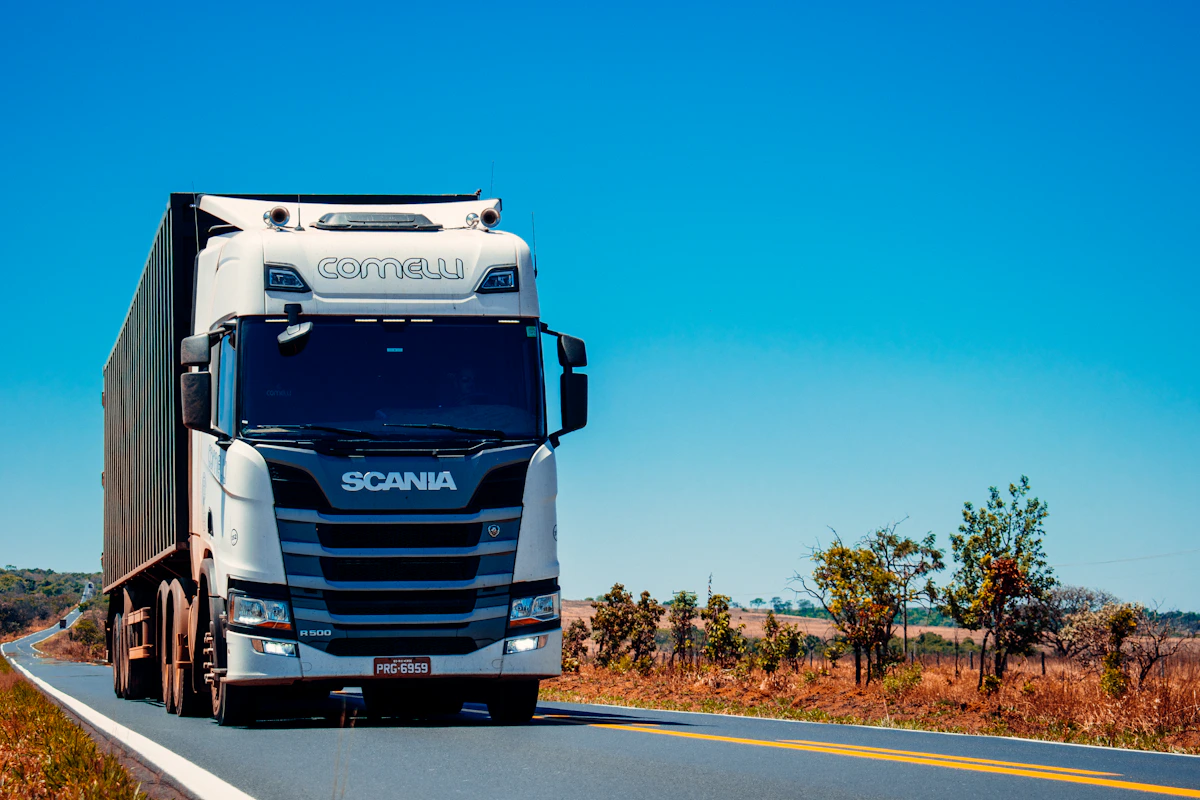
If you import goods into the United States, drayage is one of the most critical links in your supply chain. It is the short-distance transport of shipping containers between a port terminal and a nearby warehouse, rail yard, or distribution center. Despite covering only a few miles, drayage is often where delays, unexpected fees, and logistical headaches originate.
This guide breaks down everything importers need to know about drayage: how it works, what it costs, and how to avoid the most common pitfalls.
HOW DRAYAGE WORKS
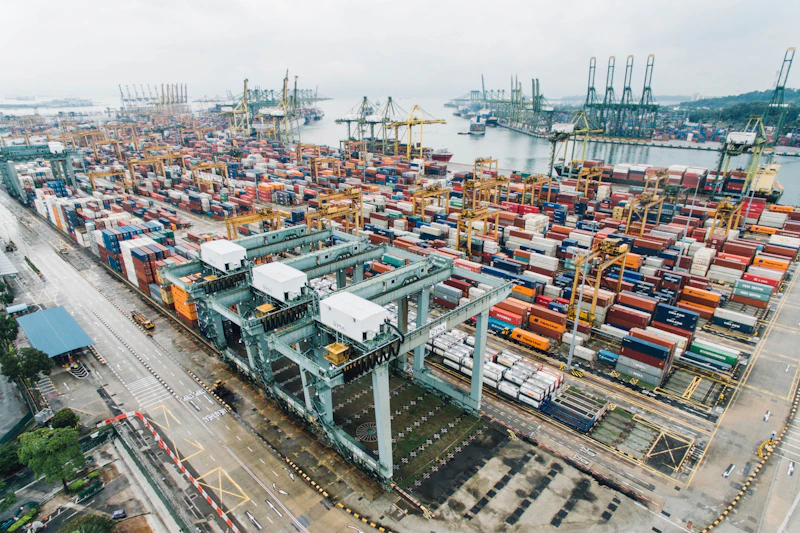
When a container ship arrives at a U.S. port, containers are unloaded and stacked at the marine terminal. From there, a drayage driver picks up the container on a chassis (a wheeled trailer frame) and transports it to its next destination, typically within a 50-mile radius of the port.
The process follows a standard flow:
- Vessel discharge — The container is offloaded from the ship and placed in the terminal yard.
- Customs clearance — U.S. Customs and Border Protection releases the container (or holds it for inspection).
- Terminal appointment — The drayage carrier books a pickup window at the terminal.
- Container pickup — The driver enters the terminal, hooks up the container on a chassis, and departs.
- Delivery — The container is delivered to a warehouse, transload facility, or rail yard.
- Empty return — After unloading, the empty container is returned to a designated depot or the terminal.
TYPES OF DRAYAGE
| Type | Description |
|---|---|
| Port drayage | Container moved from a port terminal to a nearby facility |
| Rail drayage | Container transported between a rail yard and a warehouse or port |
| Shuttle drayage | Containers moved to a temporary holding yard to free up terminal space |
| Door-to-door drayage | Direct delivery from port to the importer's facility |
| Intra-carrier drayage | Transfer between terminals operated by the same carrier |
THE CHASSIS FACTOR
A chassis is the wheeled frame that a container sits on during ground transport. Chassis availability is one of the most overlooked factors in drayage logistics, and a shortage can delay your shipment by days.
There are three chassis models in the U.S.:
- Carrier-provided chassis — The steamship line provides the chassis as part of the ocean contract. This is becoming less common.
- Chassis pool — A shared pool operated by a consortium (like the Intermodal Equipment Provider pool). Drivers pick up an available chassis at the terminal.
- Trucker-owned chassis — The drayage carrier owns their own chassis. This gives them more flexibility but requires capital investment.
Pro tip: When chassis pools are congested, drayage rates spike because carriers must wait longer or find alternative equipment. Ask your broker about chassis availability before booking pickup dates.
COMMON DRAYAGE FEES
Drayage pricing is more than just a per-mile rate. Understanding accessorial charges can prevent invoice surprises:
| Fee | What It Covers | Typical Range |
|---|---|---|
| Base drayage rate | Terminal pickup and delivery to destination | $350 – $900 |
| Fuel surcharge | Fluctuating fuel costs | 15% – 30% of base |
| Chassis fee | Daily rental of chassis from pool | $25 – $45/day |
| Demurrage | Container sits at terminal past free time | $150 – $400/day |
| Detention | Container held at delivery location too long | $100 – $300/day |
| Per diem | Equipment (chassis/container) kept beyond allowed time | $75 – $200/day |
| Pre-pull | Pulling container day before delivery to guarantee timing | $150 – $250 |
| Overweight surcharge | Container exceeds legal road weight limits | $200 – $500 |
DEMURRAGE AND DETENTION: THE HIDDEN COSTS
Demurrage and detention are the most common sources of unexpected drayage costs. Understanding the difference is critical:
- Demurrage is charged by the terminal when a container sits at the port beyond its allotted "free time" (typically 3-5 days after vessel discharge). You pay for every extra day.
- Detention is charged by the steamship line when the container or chassis is kept at the delivery location too long before being returned empty.
During port congestion events, these charges can accumulate rapidly. In peak seasons at major ports like Los Angeles/Long Beach, importers have reported demurrage bills exceeding $10,000 on a single container.
How to minimize these costs: Ensure customs clearance is processed before the vessel arrives. Have your drayage carrier pre-booked with a terminal appointment for the earliest available pickup window. Coordinate warehouse receiving schedules so containers are unloaded and returned within free time.
PORT TERMINAL OPERATIONS
Understanding how terminals work helps importers plan more effectively:
Terminal Appointments
Most major U.S. ports now require appointment systems for container pickups. Drivers must book a time slot in advance through the terminal's online system. Missing an appointment means rebooking, which can delay your shipment by 24-48 hours or more.
Gate Hours
Terminals have specific operating hours, and not all gates are open at all times. Some ports offer extended gate hours or weekend operations during peak season for an additional fee. Night gates, where available, can help avoid congestion.
Dual Transactions
A dual transaction is when a drayage driver drops off an empty container and picks up a loaded one in the same terminal visit. This reduces truck turns and terminal congestion. Efficient drayage carriers plan dual transactions whenever possible.
CHOOSING A DRAYAGE PROVIDER
Not all drayage carriers are equal. When evaluating providers, consider:
- Terminal relationships — Carriers with strong port relationships get better appointment slots and navigate terminal issues faster.
- Chassis access — Carriers with their own chassis avoid pool shortages and delays.
- Insurance and authority — Verify FMCSA operating authority, cargo insurance, and auto liability coverage.
- Technology — GPS tracking, real-time container status updates, and automated alerts prevent surprises.
- Empty return network — A good carrier knows which depots accept empties and avoids return bottlenecks.
TRANSLOADING: WHEN TO UNLOAD AT THE PORT
If your cargo is traveling more than 150-200 miles from the port, it often makes financial sense to transload the container at a warehouse near the port rather than dragging the container on a chassis over long distances.
Transloading means unloading the ocean container into a domestic 53-foot trailer (or palletizing for LTL). Benefits include:
- Avoid chassis per diem charges on long-distance hauls
- 53-foot trailers hold more volume than 40-foot ocean containers
- Faster empty container return, avoiding detention
- Ability to sort, palletize, and re-label cargo for final delivery
KEY TAKEAWAYS
- Drayage is short-distance container transport, but it carries outsized risk for delays and fees.
- Demurrage and detention charges are preventable with proper planning and customs pre-clearance.
- Chassis availability directly impacts drayage timing and cost.
- Terminal appointment systems require advance booking; missed slots cause cascading delays.
- For inland destinations, transloading near the port is usually more cost-effective than dragging a container on a chassis.
- A freight broker with port expertise can coordinate all of this, saving you time and money.
Need drayage pricing? Alliance Freight Solutions coordinates port drayage at every major U.S. port. Get a free quote and let us handle the terminal logistics.