Why Importers Need an Intermodal Freight Broker in 2026 — And What to Look For
Intermodal saves 20-40% vs trucking — but only if drayage on both ends is coordinated. Here's why importers need a broker for intermodal in 2026.
Read Article →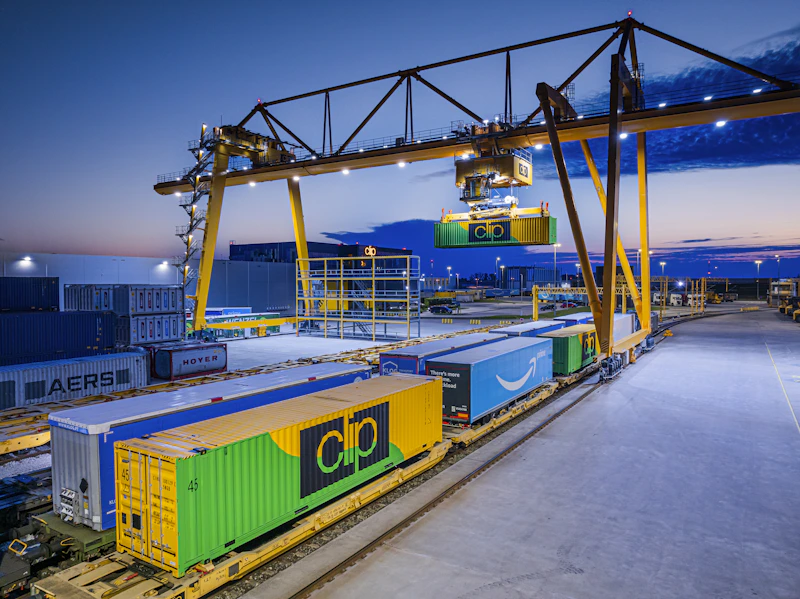
Intermodal saves 20-40% vs trucking — but only if drayage on both ends is coordinated. Here's why importers need a broker for intermodal in 2026.
Read Article →
Cargo theft losses surged 60% to $725M. Fake carrier schemes are targeting importers. Here's how a container freight broker protects your shipments.
Read Article →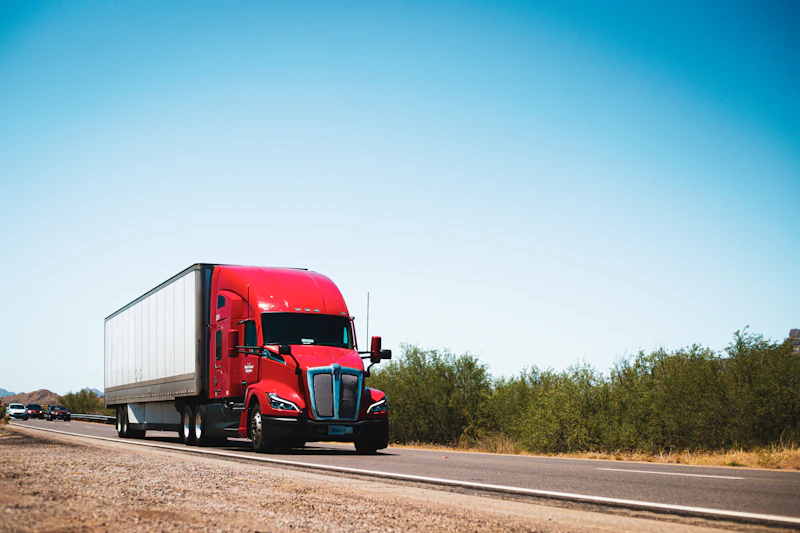
Mexican exports to the U.S. are up 15%. Nearshoring is changing how importers think about freight, tariffs, and supply chain speed.
Read Article →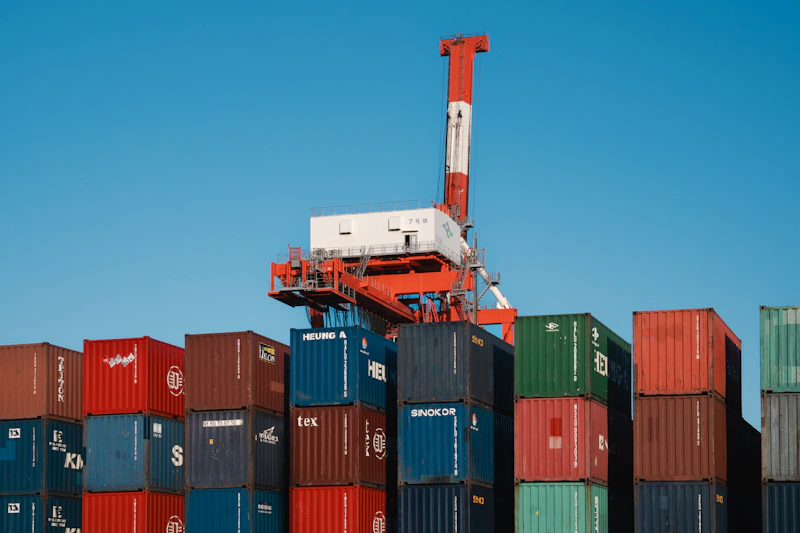
The Section 122 tariff expires July 24. Here's what importers need to do now to lock Q2 drayage and intermodal capacity before front-loading tightens supply.
Read Article →
The 25% Section 232 tariff on auto parts is live as of April 1. Here's what importers need to know about drayage costs, Q2 capacity, and freight strategy.
Read Article →
FMC denied carriers' fast-track surcharge requests. Many Hormuz surcharges aren't enforceable on U.S. cargo yet. Here's what importers should do now.
Read Article →
Practical strategies for importers to lower drayage expenses, avoid demurrage fees, and optimize container movement from port to warehouse.
Read Article →
Learn the key factors to evaluate when selecting a freight brokerage partner — licensing, carrier vetting, technology, and service capabilities.
Read Article →
Compare intermodal rail and OTR trucking for long-haul freight — cost, transit time, environmental impact, and when to use each mode.
Read Article →
Understand port drayage, chassis requirements, terminal operations, and how to optimize first-mile and last-mile container transportation.
Read Article →
Per diem and demurrage cost importers $75-$350/day per container. Here's how to avoid these charges at every major U.S. port.
Read Article →